The quality of the glazing used in glass architecture cannot be underplayed in its importance as it will offer structure, security and insulation.
Of course, the main reason for choosing architectural glazing is the way it looks. The role that the specification of the glass has to play in this must be considered.
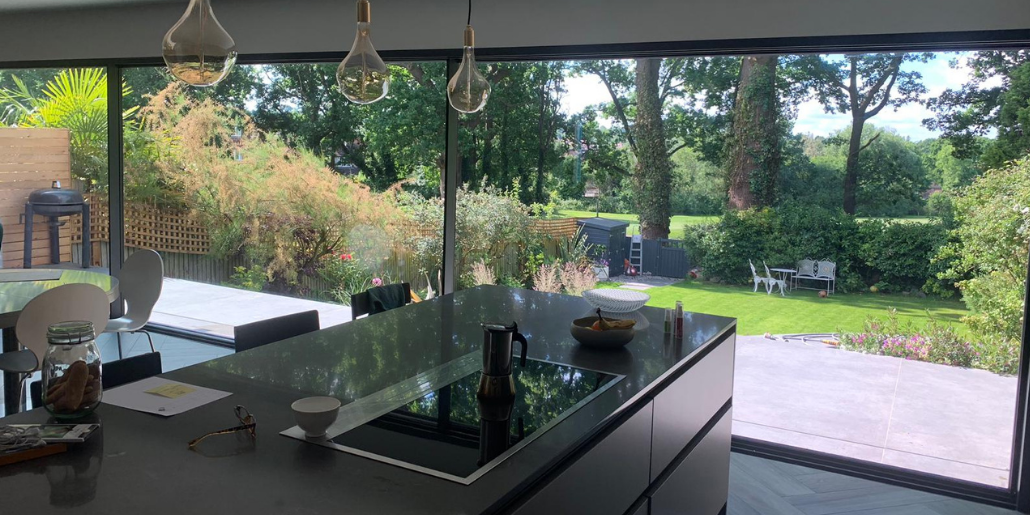
Slimline glazing in stylish aluminium frames provides minimal sightlines that maximise the view. This boosts access to sunlight and achieves a sheer seamless finish. Yet the quality of the glass needs to meet – and support – the wider specification.
The glazing must also offer strength and stability, whilst not compromising on appearance. Making sure that the glazing used in large glass installations meets the highest standards is essential.
How is high quality glazing categorised?
Defining high quality glazing and choosing which glass is best for your project is multi-faceted. Different manufacturing methods match with different specifications to maximise the material’s benefits. How the glass is made will see it categorised in one of the following ways:
Annealed glass – the process used for annealed glass sees it slowly cooled to create a smoother surface. While a popular and cost effective glazing solution, annealed glass will break into sharp shards unlike toughened glass.
Tempered glass – also known as toughened glass, the process used to create tempered glass sees it heated at extremely high temperatures (around 700 Celsius) then blasted with cold air. The result is an extremely tough glass, that breaks into pieces rather than shards to enhance its safety. Tempered glass is extremely durable and is up to five times stronger than annealed glass.
Heat-strengthened glass – this sits between annealed glass and tempered glass in terms of robustness. To create heat strengthened glass, a base of annealed glass is heated to a high temperature (again up to 700 Celsius) then cooled. This is around twice as tough as annealed glass.
Laminated glass – An enhanced safety choice, laminated glass sees two layers of glass (already treated) brought together with a plastic interlayer that holds the glazing together in the event that one pane should break. The use of an interlayer also offers enhanced sound insulation, security and insulation.
In glass used in the creation of door systems and windows for both commercial and domestic properties it is common practice for panes of glazing to be filled with a gas to enhance the insulation properties. Insulating glass units comprise two or three layers of glass, separated by a sealed space that is filled with an inert gas, such as argon or krypton.
The gas used is a poor conductor of heat and as such provides an excellent way to help stop warmth escaping from the home. It also boosts sound-proofing properties.

Choosing the right glazing specification
The use of toughened glass, multiple layers and gas as an insulator mean that glass panes can be thinner and remain highly effective, but beyond the type of glass and thickness, the broader specification is important. Consider how the following will impact the design, location and use of the property:
- Light transmission – this signifies the level to which windows allow light into a property, i.e., 100 per cent would allow all the possible light in. Glazing usually has a transmission percentage of between 30 and 70. The higher this is the better, with high end windows pushing up to and past 70 percent.
- Solar factor – This is the ‘solar gain’ of glazing, which measures the thermal energy gained from the sun. Measured in G values, these are usually between 0.2 and 0.7. However, the specification depends on the need for shade or heat in a particular environment.
- Sound insulation – Sound insulation testing is expressed in RW db. – measuring reduction in decibels of noise that glazing can achieve. In standard domestic glazing this usually starts at around 30db, with higher levels blocking more sound.
- Security – All glazing systems should meet PAS 24:2016 to comply with industry standards for security.
- Wind loading – The wind load is a measurement of force on a structure, which is calculated to protect the property. This factor depends on the structure of the property as a whole. To accommodate that glazing is usually tested to a certain standard, such as EN 12210.
- UW factor – The UW factor measures the insulation efficiency of a glazing system, taking into account fittings and frames. A lower UW factor is better, with quality glazing usually around 1.2UW.

High quality glazing should offer the very best in design along with meeting the highest specifications. Sightline Aluminium Glazing Systems creates and installs slimline doors and rooflights that are designed to enhance properties.
Supporting architectural excellence Sightline’s glazing systems can be developed specifically to meet you project specifications. All of our products are manufactured to meet high standards, while maintaining a sleek design.
To find out how Sightline Aluminium Glazing Systems can enhance your building project please get in touch.